
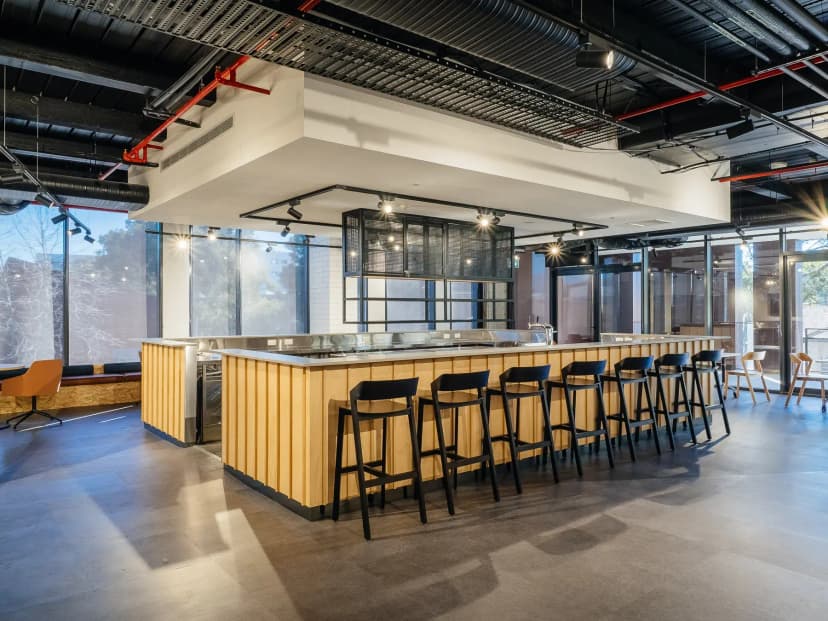
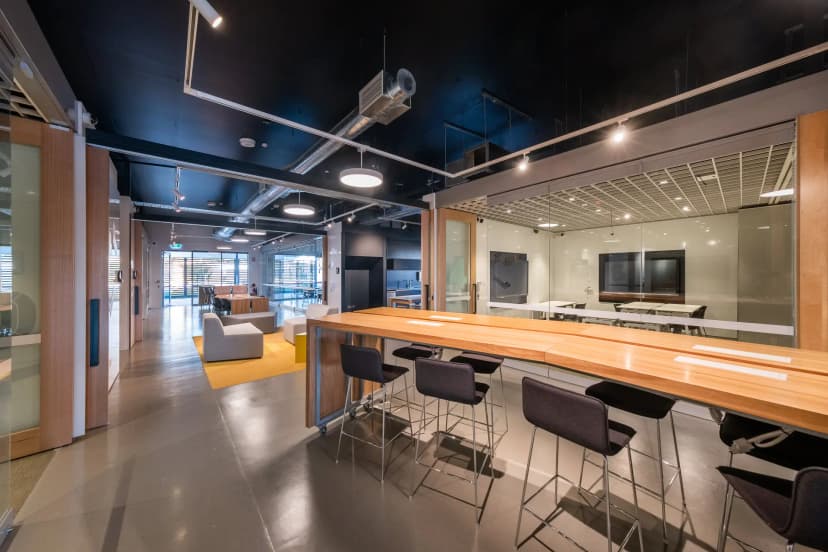
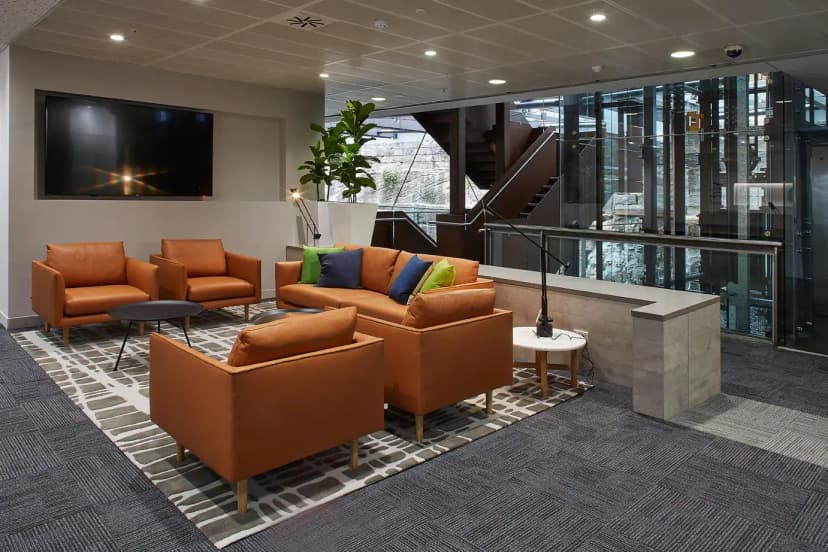

Navigating the world of commercial fitouts and refurbishments can be tricky, especially when the terms are often used interchangeably. However, understanding the key differences between the two is crucial for ensuring your project meets both your operational needs and budget. Whether you're starting with an empty shell or upgrading an existing workspace, the scope, timeline, and costs of each option vary significantly. In this article, we'll break down the distinction between a commercial fitout and a refurbishment, helping you make the right choice for your business's needs.
Why the Confusion Matters
Most business owners use commercial fitout and refurbishment interchangeably. Most contractors let them, because it means more enquiries. Search for either term online and you will find the top results treat them as the same thing. They are not.
The distinction matters because each service carries a different scope, timeline, cost structure, and level of disruption to your operations. Getting quoted on the wrong one wastes time and money. Worse, it sets expectations that do not match reality.
Fitout vs Refurbishment — The Key Difference
A commercial fitout transforms an empty shell into a fully operational workspace from scratch. A commercial refurbishment modernises an existing space while maintaining operations. Your starting condition determines which service you need.
By the end of this article you will know exactly which service your project needs, or whether you need both.
What Is a Commercial Fitout
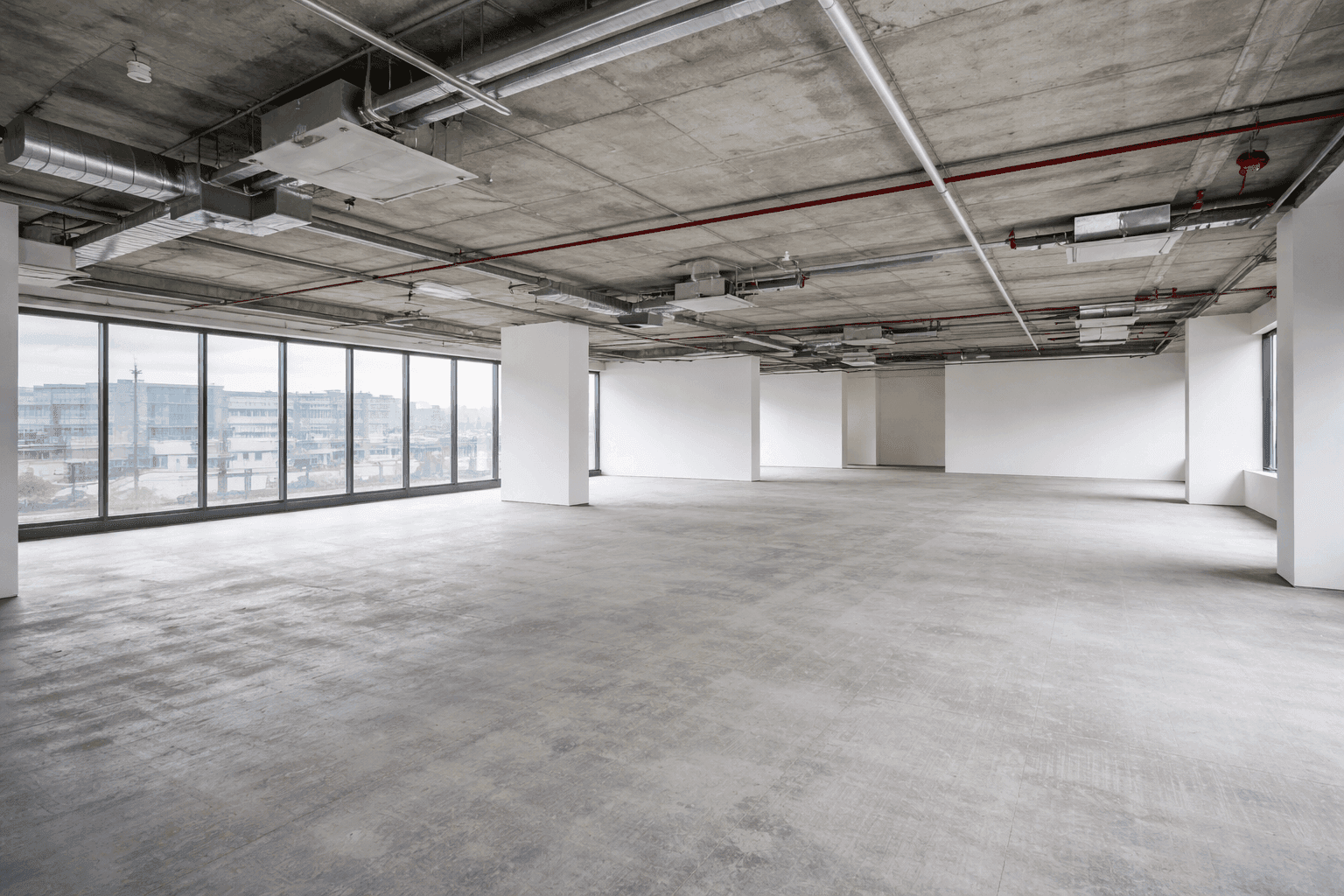
A commercial fitout is the complete transformation of an empty shell or stripped-back space into a fully operational workspace. Everything is built from scratch.
In practice, that means partitioning, electrical and data cabling, HVAC installation, flooring, joinery, lighting, furniture, and signage. Every element goes in. Nothing exists before you start.
Here is the typical scenario. You have just signed a lease on a bare floor in a commercial building. Or you are moving into a warehouse shell that needs offices, amenities, and a reception area. The space is empty. Your job is to make it work.
This is where project management earns its keep. A standard commercial fitout involves coordinating multiple trades across 8 to 16 weeks depending on size and complexity. Electricians, plumbers, plasterers, joiners, painters, and data installers all need to work in sequence. One missed handover and the whole timeline shifts.
That multi-trade coordination is why fitouts need a single project manager running the job, not a collection of independent contractors working to their own schedules.
If this sounds like your situation, see how our commercial fitout services work.
Stemar Group specialises in delivering efficient and tailored commercial fitouts, ensuring every detail aligns with your business needs.
What Is a Commercial Refurbishment
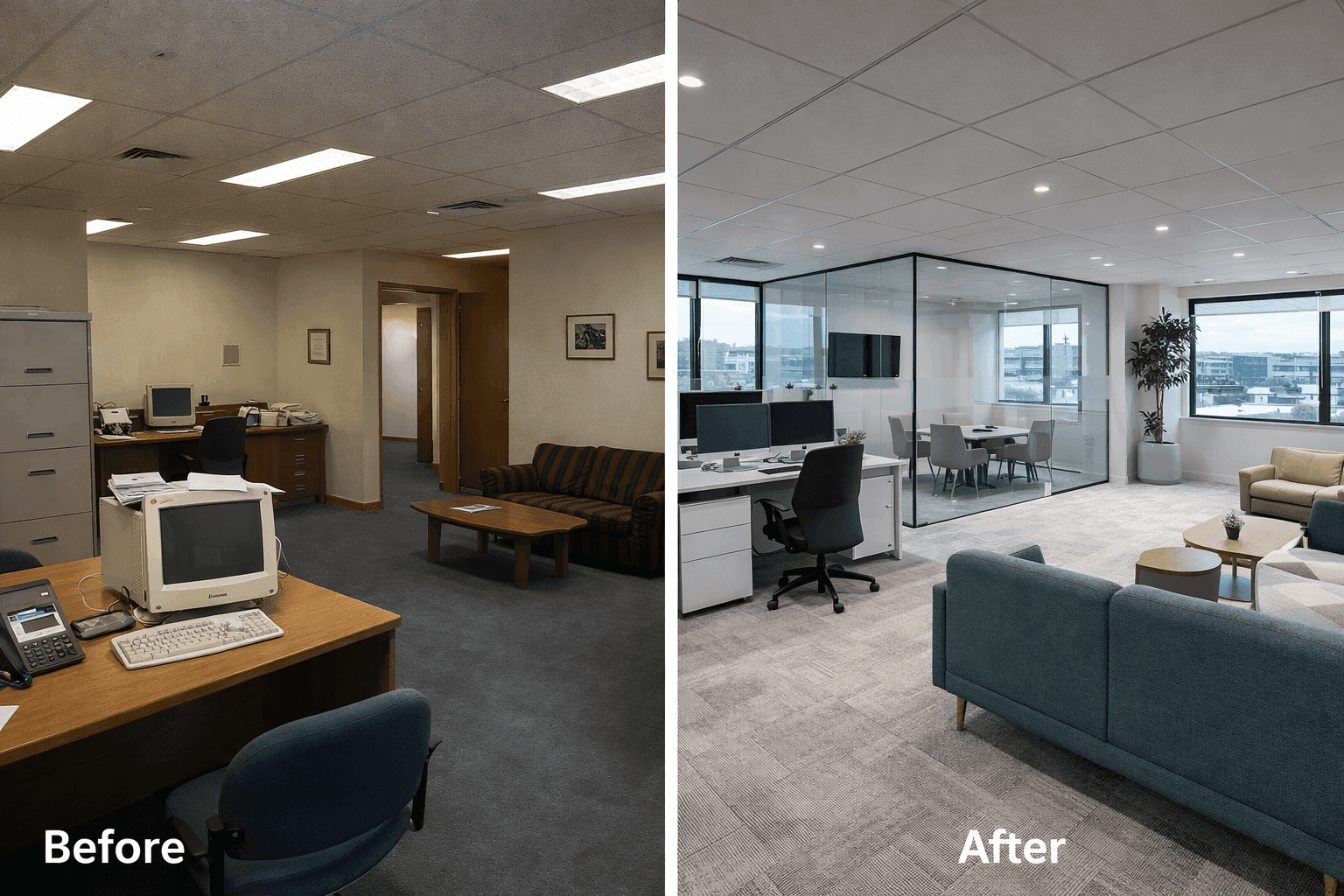
A commercial refurbishment is the modernisation of an existing space while maintaining operations. The bones stay. The look, feel, and function get upgraded.
In practice, that means new finishes, updated lighting, reconfigured layouts, upgraded amenities, and fresh branding. Structural elements typically remain unchanged. You are not starting from scratch. You are making what exists work better.
Here is the typical scenario. Your office is 10 years old. The carpet is tired. The layout does not suit how your team works now. Clients visit a space that no longer reflects your business. You need a commercial office refurbishment, not a complete rebuild.
Because the structure stays, refurbishment projects typically run 20 to 40 per cent shorter than full fitouts. But the trade-off is complexity of a different kind. Your team is still working in the space. That means staged delivery, after-hours work, and careful planning to keep disruption to a minimum.
Typical Project Timeline Comparison (Weeks)
A commercial building refurbishment done well should feel seamless to your staff and clients, even while it is happening around them. With Stemar Group, you can trust that your commercial refurbishment will be handled with minimal disruption and maximum impact on your workspace.
If this matches your situation, learn more about our office refurbishment approach.
Fitout vs Refurbishment: A Side-by-Side Comparison
Neither option is better. The right choice depends on your starting point and operational constraints.
Fitout vs Refurbishment Comparison
| Fitout | Refurbishment | |
|---|---|---|
| Starting point | Empty shell or stripped-back space | Existing operational workspace |
| Typical scope | Everything built from scratch: structure, services, finishes, furniture | Upgrades to finishes, layout, lighting, amenities. Structure remains. |
| Timeline | 8 to 16 weeks depending on size and complexity | Typically 20 to 40 per cent shorter than a comparable fitout |
| Disruption | Zero disruption to current operations. Work happens before you move in. | Requires staged delivery or after-hours work to keep your team operational. |
| When it is the right call | Moving into a new space, expanding into a bare shell, or starting fresh after a strip-out | Staying in your current space but needing it to work harder, look sharper, or support a changed team structure |
The cost drivers differ too. Fitouts carry higher base costs because every service and finish is new. Commercial property refurbishment costs depend on how much you are changing and how much can stay. Both benefit from a fixed-price quote that removes surprises.
Pros and Cons of Each Option
Choosing between a fitout and a refurbishment comes down to what you are trying to achieve, your available budget, and how much disruption your business can tolerate. Here is a closer look at the strengths and trade-offs of each option.
Commercial Fitout
Pros:
- Fully customisable. Design your workspace from the ground up to match your brand, culture, and workflow.
- Modern infrastructure. Ideal for incorporating the latest technology, energy-efficient systems, and design best practices.
- Futureproof layouts. Built for expansion, hybrid working models, and scalable teams.
- Greater visual impact. A new space allows for cohesive design and branding that enhances client perception and team pride.
Cons:
- Higher cost. Due to structural, electrical, and design elements, fitouts generally involve greater upfront investment.
- Longer lead time. Projects often require permits, compliance checks, and detailed planning, which can extend timelines.
- More coordination. You will likely need to coordinate with architects, engineers, and compliance consultants.
Commercial Refurbishment
Pros:
- Cost-effective. Lower overall costs compared to starting from scratch, making it ideal for smaller businesses or budget-conscious projects.
- Minimal downtime. With strategic staging or after-hours work, refurbishments can be completed while your team continues operating.
- Boosts staff morale. A visual refresh or layout upgrade can breathe new energy into your team and support evolving workstyles.
- Great for sustainability. Reusing existing infrastructure helps reduce waste and aligns with green business values.
Cons:
- Design limitations. You are working within the constraints of the existing space, which may limit creativity or flexibility.
- Hidden challenges. Older infrastructure may present unexpected issues, such as outdated wiring or poor insulation.
- Shorter lifespan (sometimes). Cosmetic updates may not last as long as a full structural overhaul, depending on the scope of work.
Real-World Example: A Strategic Office Makeover
Client: Mid-sized marketing agency, Brisbane
Challenge: Their open-plan layout led to distractions, and their interiors no longer reflected the company's creative culture.
Solution: Stemar Group designed a phased refurbishment with quiet zones, collaboration hubs, new finishes, and rebranded signage, all completed entirely out of hours.
Outcome:
- Staff productivity improved by 22% (internal feedback survey)
- Operations continued without interruption throughout the entire refurbishment process
- Cost was 45% less than a full relocation or fitout
How to Work Out Which One You Need
Work through these four questions. Your answers will point you clearly to one service or the other.
- What state is the space in right now? If it is an empty shell, a bare concrete floor, or a space stripped back to base building, you need a fitout. If it is a functioning workspace with walls, services, and finishes already in place, you are looking at a refurbishment.
- Are you moving into a new space or staying put? New lease on a bare space means fitout. Staying in your current premises means refurbishment. This is the simplest diagnostic.
- Do you need to keep operating during the project? If yes, you need a refurbishment approach with staged delivery. If you can vacate or the space is unoccupied, a fitout gives you a clean run.
- Is the layout fundamentally wrong or just dated? If the floor plan works but the finishes, lighting, and amenities need updating, that is a refurbishment. If the entire layout needs rethinking from the ground up, you may need a strip-out followed by a fitout.
A note on lease terminology. If your landlord is talking about make-good obligations or distinguishing between base building works and tenant works, you are likely dealing with a fitout scope. In Australia, fitouts are typically broken into stages:
- Shell and Core: The bare structure with minimal internal features, usually provided by the developer.
- Category A (CAT A): Adds essential infrastructure such as lighting, ceilings, HVAC systems, and basic flooring. This is the landlord's base provision.
- Category B (CAT B): Your responsibility as the tenant, covering office layout, meeting rooms, breakout areas, finishes, and furniture — everything that makes the space yours.
Understanding these commercial lease distinctions helps you scope the project accurately before you get quotes.
To help you decide which option best suits your project, here's a simple flowchart that breaks down the decision-making process.
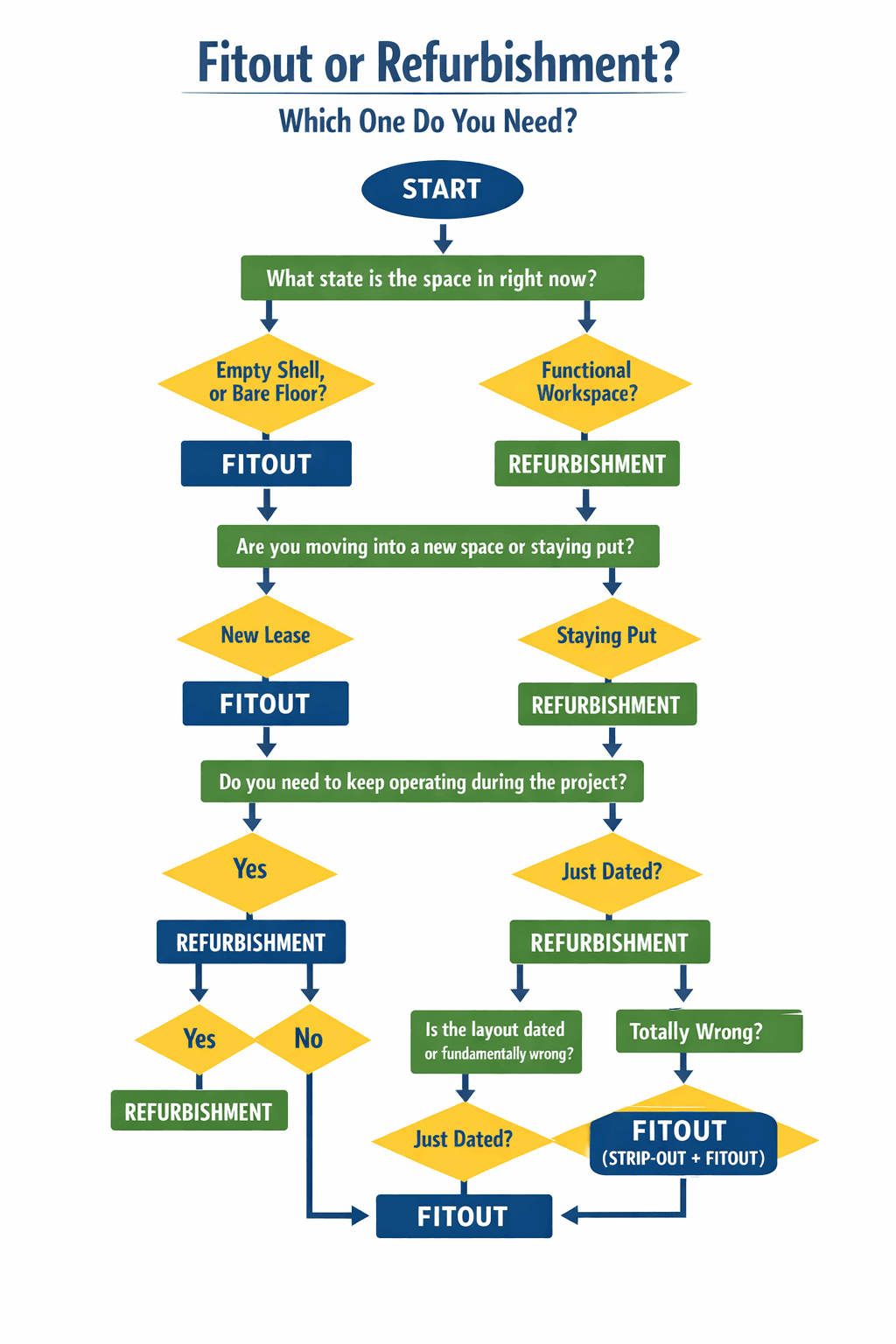
Now that you've visualized the decision process, let's explore what to do when your project requires both a fitout and a refurbishment.
When You Need Both
Growing businesses hit this scenario regularly. You are taking on an extra floor or expanding your warehouse office into adjacent space. That new area needs a full fitout. Meanwhile, your existing workspace is dated and needs a refresh. That is a commercial refurbishment.
Running these as two separate projects with two separate contractors doubles your coordination headaches. Two timelines. Two sets of trades. Two points of contact when something goes sideways.
Having one contractor manage both gives you a single project manager, one timeline, and one fixed-price quote. The fitout and refurbishment stages get sequenced so they do not compete for resources or create conflicting disruptions.
This is common across the Western Sydney corridor, where businesses in areas like the Smithfield-Wetherill Park Industrial Estate are expanding warehouse offices while updating existing facilities. If you are budgeting for both, it helps to understand how commercial fitout costs break down before you start.
Stemar Group is the perfect partner for handling both fitout and refurbishment phases smoothly, ensuring seamless project execution.
What to Look for in a Commercial Fitout and Refurbishment Partner
Here is the mid-market reality. Tier 1 builders take your call, but your $200K project sits behind their $5M jobs. You get deprioritised. A two-person operation gives you attention, but cannot coordinate six trades across a 12-week program.
You need a contractor sized to your project. Here is what to look for:
- Fixed-price quoting. No provisional sums that blow out. A number you can take to your board or landlord with confidence.
- Direct contact with the project owner. Not a call centre. Not a sales rep who disappears after signing. The person running your job should be reachable.
- Local council approval experience. Commercial fitouts and refurbishments in NSW often require Development Applications or Complying Development Certificates. According to a survey of 200 commercial fitout projects in Sydney, 85% of contractors reported that local council approval processes are a critical factor in project timelines, with certain councils requiring up to 8 weeks for approval, depending on the scope.
- Proven ability to stage work around operations. Ask for examples. If they cannot explain how they have delivered a refurbishment while a business stayed open, they have not done it.
- Multi-trade coordination under one project manager. This is non-negotiable for anything beyond a single-trade cosmetic update.
Book a free site assessment to get clarity on your project scope before committing to anything.
Frequently Asked Questions
What is the difference between a fitout and a refurbishment?
A fitout builds a workspace from scratch in an empty or stripped-back space. A refurbishment modernises an existing operational workspace. The starting condition of your space determines which you need.
How long does a commercial fitout take?
Standard commercial fitouts in Australia generally take between 8 to 16 weeks, with the average project duration being 12 weeks. According to industry reports, 75% of commercial fitouts face delays primarily due to multi-trade coordination, while 60% are impacted by the time taken to secure local council approvals. Learn more about our commercial fitout process.
Can refurbishment work happen while we stay in the office?
Yes. Refurbishment projects are routinely delivered in stages or after hours to keep your team operational. This requires careful planning and a contractor experienced in working around occupied spaces. See how our refurbishment services handle this.
How much does a commercial fitout or refurbishment cost?
Costs for commercial fitouts and refurbishments in Australia can vary significantly, with fitouts typically ranging from $80,000 to $350,000 for mid-market projects. Refurbishment costs, on the other hand, usually fall between $40,000 and $150,000, depending on the degree of renovation required. Fitouts generally carry higher base costs because every element is new. Refurbishments depend on how much changes. In both cases, insist on a fixed-price quote so you know the total before work starts. For a detailed breakdown, see our guide to commercial fitout costs in Sydney.
Do I need council approval for a commercial refurbishment?
It depends on the scope. Cosmetic updates like paint and carpet typically do not require approval. Changes to layout, fire services, or accessibility may require a Complying Development Certificate or Development Application through your local council. Your contractor should advise on this during the quoting stage.
Is a fitout or refurbishment more expensive?
Fitouts generally carry higher base costs, with average prices ranging from $1,000 to $2,500 per square meter in Australia. This is 30-50% more expensive than refurbishments, where costs typically range from $600 to $1,500 per square meter depending on the extent of changes. Refurbishment costs depend on how much you are changing and how much can stay. Both benefit from a fixed-price quote that removes surprises. For Sydney-specific pricing, see our commercial fitout cost guide.
Need Clarity on Your Project?
Whether you need a fitout, a refurbishment, or both, the next step is the same. Get a site assessment from a contractor who understands the difference and can scope your project properly.
We are based in Wetherill Park, in the heart of Western Sydney, and we have been delivering commercial fitouts and refurbishments across the Sydney region for over 20 years.
Book a free site assessment and get clarity on your project scope. Talk to our team.